
Bench Warrants in Ripley County
A bench warrant in Ripley County is an arrest order tied to a case that already exists. Miss a hearing and a judge can issue one. The same goes for skipping a pretrial conference, a trial, or a probation setting. Breaking a release term or ignoring another court order can trigger it too. Local dockets label these entries “bench warrant,” “warrant for arrest,” or “failure to appear.” Ripley County records do not use capias pro fine as a public label. The Chronological Case Summary may list the missed setting, the issue entry, bond action, service, a recall, or a new date. The signed warrant itself may never appear online. Recall rests with the issuing judge. The Sheriff may hold current execution details.
Ripley County Bench Warrants Follow Cases
In Ripley County, case assignment points to the right desk. Under the 2025 local plan, Ripley Circuit Court takes Level 1 through 5 felonies, older A through C felonies, and other listed matters. Ripley Superior Court takes Level 6 and older D felonies. It also hears misdemeanors, protective orders, and some infractions or ordinance cases. Batesville City Court covers city criminal and traffic cases across Ripley and Franklin Counties. Search MyCase with the cause or citation number. Then read the CCS. The codes 69C01 and 69D01 separate Circuit from Superior. For a city matter, call Batesville City Court directly.
How a Bench Warrant Is Issued
A missed act starts it. The judge records the nonappearance or noncompliance and issues a warrant in that case. The order lets law enforcement bring the person before the court. It stays open until served, recalled, quashed, or resolved by lawful court action. Indiana has no single statewide public active-warrant search. In Ripley County, the Clerk records the order and routes it. The Sheriff and authorized police or marshals execute it. A public docket may lag or omit the document. So a blank result proves nothing. Neither does an old printout. Ask the issuing court what its latest signed order says.
Ripley County Bench Warrant Timeline
The sequence runs the same each time. A required hearing comes first. Then comes a missed setting, the judge's warrant entry, and service or a court-approved response. Recall or quash follows, and then a new setting. Each step should appear in the public court record, though different Ripley County offices update at different speeds. MyCase can display the timeline. The Clerk provides public docket records and routes filings. The issuing court rules on a motion or an appearance request. The Sheriff can confirm execution or holding information. No unofficial list can stand in for those offices. Text reminders may help prevent a missed date. The state does not confirm that Ripley County courts take part in the reminder program. A reminder is a prevention aid, not proof of status. The date is still the person's own duty, so keep the hearing notice, watch MyCase, and call the Ripley County court when a date is unclear.
Bench Warrant vs Arrest Warrant
Both orders can put a person in custody, but their roots differ. A Ripley County bench warrant grows from a missed duty in an existing case. An arrest warrant follows Indiana's charging and probable-cause process. A tax warrant is neither. It is a state debt lien and collection record.
| Feature | Bench Warrant | Arrest Warrant |
|---|---|---|
| Trigger | Missed setting or failed court duty | Indictment or probable cause on a charge |
| Issuer | Judge in the existing case | Judge or magistrate under Indiana law |
| Record trail | Existing CCS and missed event | Charging and probable-cause path |
| Response | Recall, quash, appearance, or bond as ordered | Planned surrender, bond, and court appearance |
The Ripley County arrest-warrant process covers the probable-cause instrument in more depth.
Ripley County Bench Warrant Docket Proof
A CCS warrant event helps, but it is not a certified warrant. Nor does it guarantee current law-enforcement status. It may show an issue, a failure to appear, bond, a recall, service, or a later hearing. The signed order itself can be excluded from remote access. The public Ripley County case can still stay visible.
- Recall
- The issuing court withdraws the warrant.
- Quash
- The court sets the warrant aside.
- FTA
- Failure to appear at a required setting.
- Bond forfeiture
- A process that may follow a missed required appearance and can lead to more court action.
Ask the Clerk for the public court document. Ask the Sheriff for current execution status. Keep any signed recall order or receipt once the action is done. The Ripley County Clerk page lists the county records contact.
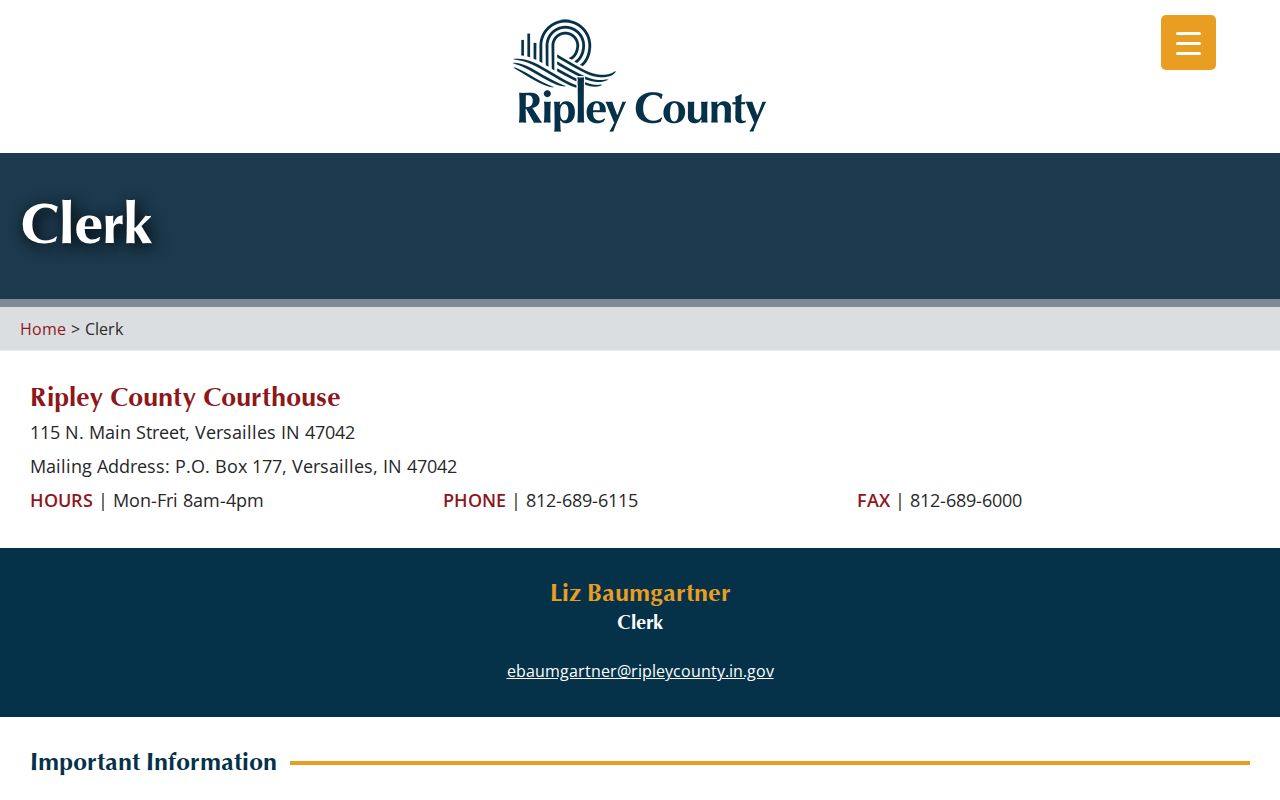
The Clerk serves both Ripley County trial courts, which helps route a bench-warrant record to the right file. If the docket shows a recall or quash, ask for the signed order and the next court date. “Recalled” means the issuing court withdrew the warrant. “Quashed” means it was set aside. Neither word ends the underlying case. A prosecution, probation matter, traffic case, or payment duty can continue. A fresh hearing may be the real outcome. Confirm law enforcement received the update before trusting the public display.
How to Resolve a Ripley County Bench Warrant
Fixing a Ripley County bench warrant starts where it was issued, not with an assumed payment. There is no walk-in surrender window and no public recall form here. Written motions, with a proposed order and enough copies, are what local rules often demand. A lawyer can confirm the exact filing and appearance the judge wants.
- Find the case, missed setting, cause number, and issuing court.
- Call the court, Clerk, and Sheriff before traveling or appearing.
- Ask counsel whether a written recall or quash motion, new date, bond, or scheduled surrender is needed.
- Appear only through the confirmed route and meet the underlying court duty.
- Get the signed order or receipt, then ask when each system will update.
Caution: An unresolved bench warrant can be served during later police contact, so get a court-approved plan before appearing.
Bond in Ripley County settles custody and release only. The underlying case stays open.
Ripley County Bench Warrant Bail Rules
The local bail schedule gives Ripley County a concrete starting point. Current local rules set $500 bail for misdemeanors and for listed misdemeanor probation violations that involve no new offense. Felony matters and other probation questions get their figure at an initial hearing or by court order. The defendant posts covered bail in cash. On each bond the Clerk adds a $50 administrative fee and a $5 Special Death Benefit fee. None of that turns every bench warrant into a $500 errand. A felony, a revocation, a no-bond order, another pending case, an out-of-county hold, or a city-court matter can carry different terms. Confirm the active warrant and the current payment method before you bring money. Keep the bond receipt and the notice of the next hearing. Courts in Ripley County may also multiply the listed bail when the person in custody faces pending criminal charges or is on probation. A domestic-battery arrest carries its own release restriction unless the court orders otherwise. That is why an old schedule or a phone estimate cannot substitute for the current order. Ask the Clerk how the fees are collected and how proof of payment shows up in the case file.
Which Ripley County Court Issued It
Whatever court issued the warrant controls recall, bond changes, and the next setting. Ripley Circuit Court sits at 115 N. Main Street in Versailles, at 812-689-6226. Ripley Superior Court shares the courthouse, at 812-689-5117. The Clerk, 812-689-6115, keeps the records for both. The official Superior Court page lists its public contact details and resources.
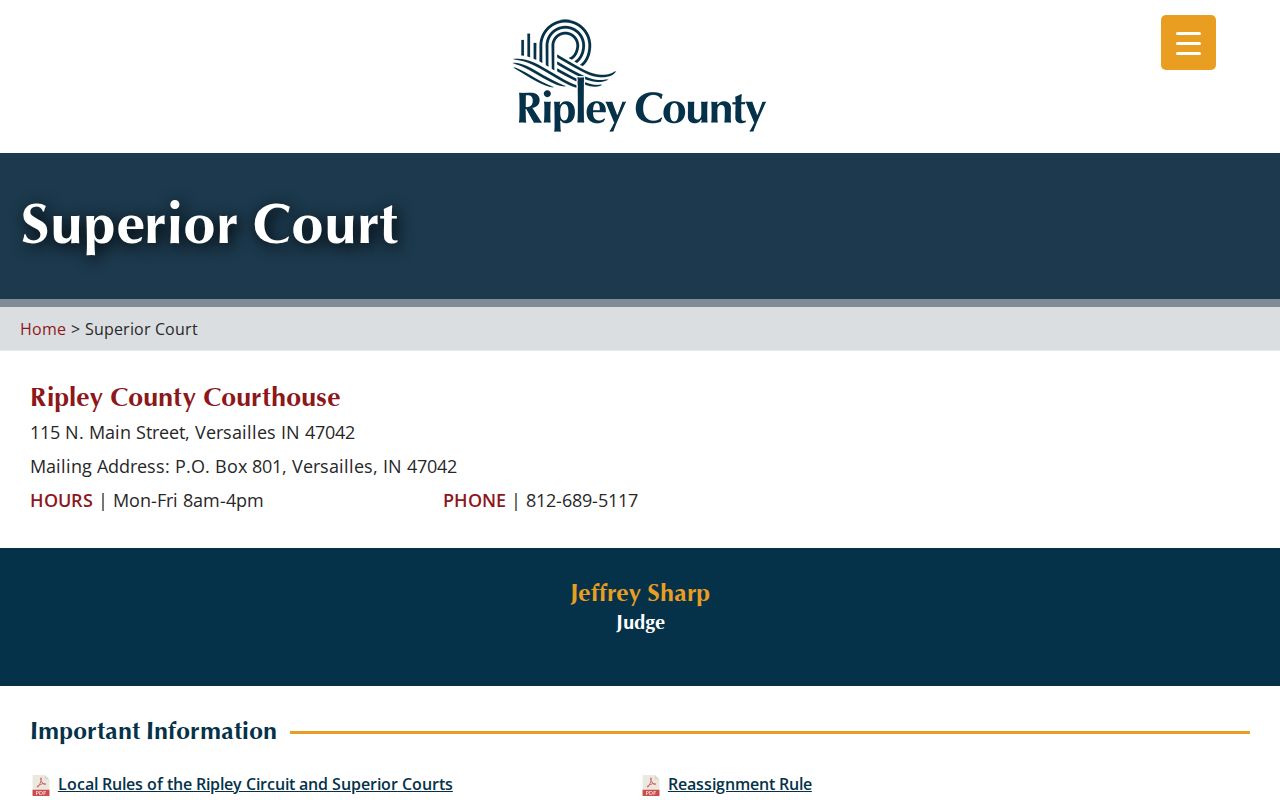
Superior Court takes the misdemeanor assignment in Ripley County, so failure-to-appear questions often land there, though the courts publish no warrant-count breakdown. Batesville City Court, 812-933-6102, handles its covered city traffic and criminal cases. The old Versailles Town Court closed in 2015, and no justice-of-the-peace court system replaced it.
Ripley County Bench Warrant Trip Planning
Before you head to the courthouse or the Sheriff's Office, ask a few things first. Where must the person report? Can a lawyer arrange the step? Is bond set, and what identification or property rules apply? The Sheriff's 24-hour number does not mean every court, surrender, and bond service runs around the clock. Ripley County Court Services publishes its role at the courthouse and its contact details.
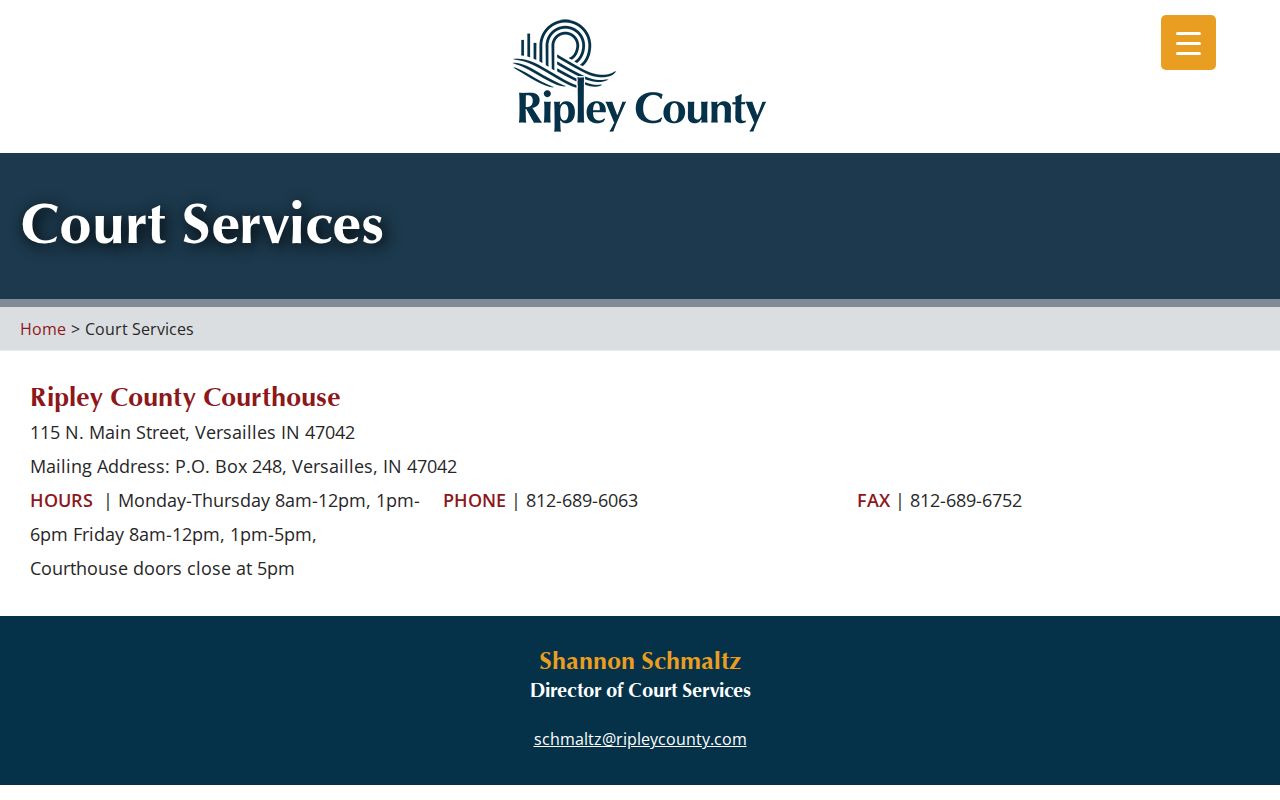
Office information helps you plan a courthouse visit. Still, only the issuing judge can recall or quash the warrant. Call the Ripley County Sheriff at 812-689-5555 for current routing. Reserve 911 for true emergencies, not a routine warrant check. If direct contact could expose the person to arrest, a lawyer can make the inquiry instead.